Six Decades in the Shadows: The Quiet Rise of a Steroid Most Americans Had Never Heard Of
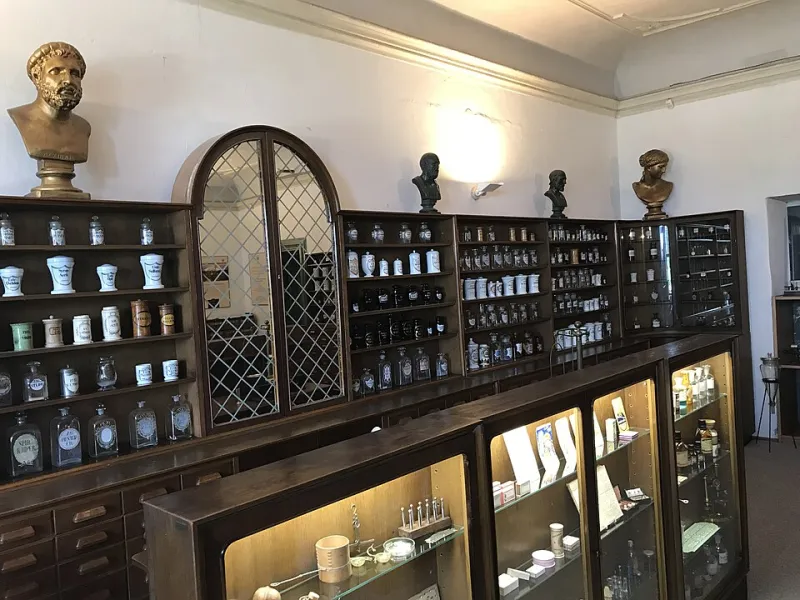
Photo: Jiří Sedláček, CC BY-SA 4.0, via Wikimedia Commons
For most of its existence, dexamethasone lived comfortably in obscurity. It sat in emergency department crash carts, oncology infusion suites, and anesthesia trays across the country — indispensable, ubiquitous, and almost entirely unknown to the patients it treated. Then came the summer of 2020, when the RECOVERY trial announced that this decades-old corticosteroid reduced mortality among hospitalized COVID-19 patients requiring oxygen. Suddenly, a drug most Americans had never said aloud was trending on every news feed.
That moment of celebrity is worth examining, because what the public learned about dexamethasone in 2020 is only a fraction of what it does.
A Mid-Century Discovery With Staying Power
Dexamethasone was first synthesized in the late 1950s, part of a wave of corticosteroid derivatives developed after cortisone's original discovery opened the door to a whole class of anti-inflammatory medicines. What made dexamethasone distinctive was its potency — roughly 25 to 30 times stronger than hydrocortisone by weight — combined with minimal mineralocorticoid activity, meaning it suppresses inflammation without the aggressive fluid and salt retention seen with older steroids.
That profile made it a natural fit for an astonishing range of uses: brain swelling from tumors, croup in pediatric emergency rooms, spinal cord compression, severe allergic reactions, and as a premedication before chemotherapy. It also became a mainstay in veterinary medicine, ophthalmology, and dermatology. Few drugs in the American formulary touch as many specialties.
The Pandemic Spotlight and Its Side Effects
When RECOVERY results were published in mid-2020, dexamethasone became the first treatment shown to save lives in severely ill COVID-19 patients. The finding was genuine and important. But the coverage that followed created a problem pharmacists still encounter at the counter: the assumption that dexamethasone is a COVID drug.
It is not, and never was. The trial applied to hospitalized patients with significant oxygen needs — not outpatients with mild illness, and not as a preventive measure. Yet in the months that followed, clinicians reported patients requesting dexamethasone after positive home tests, and others refusing prescribed steroids because of pandemic-era headlines. Visibility, it turns out, is a double-edged sword: it raises awareness while flattening nuance.
Still Invisible in Plain Sight
Even now, many patients receiving dexamethasone do not realize it. It arrives embedded in chemotherapy premedication regimens, in combination allergy injections, in dental offices managing post-extraction swelling, and in eye drops after cataract surgery. A patient may complete an entire course without recognizing that the same molecule made headlines around the world.
This anonymity matters. Patients who do not know they are on a corticosteroid cannot report relevant side effects — elevated blood sugar, mood changes, insomnia — or flag it during interactions with new prescribers. Medication reconciliation errors often begin exactly here, with a drug the patient did not consider "their medicine."
What Pharmacists Wish Patients Knew
Across community and hospital practice, a few points come up repeatedly:
- Dose and duration define risk. A single injection carries far different implications than weeks of daily tablets. Context is everything.
- Never stop abruptly after prolonged use. The adrenal glands can lose their ability to produce cortisol, making supervised tapering essential.
- It interacts with the whole picture. Blood pressure, diabetes management, bone density, and other medications all sit within dexamethasone's orbit.
- Every clinician should know you take it. Including the dentist, the dermatologist, and the urgent care NP.
Fame Without Fluency
Dexamethasone's journey from the ICU to the kitchen table is, in many ways, a story about how Americans learn about medicine — in bursts, under stress, filtered through headlines. The task now is converting that borrowed familiarity into real literacy: knowing what the drug is, why it might be prescribed, and what questions to ask the professionals who dispense it.
The pharmacy counter, the hospital bed, and yes, the 24-hour information resource — all of them exist for the same reason. A drug this common, this potent, and this misunderstood deserves to be understood around the clock.