The Caffeine Conflict: How Your Daily Coffee Habit May Be Working Against Your Dexamethasone Regimen
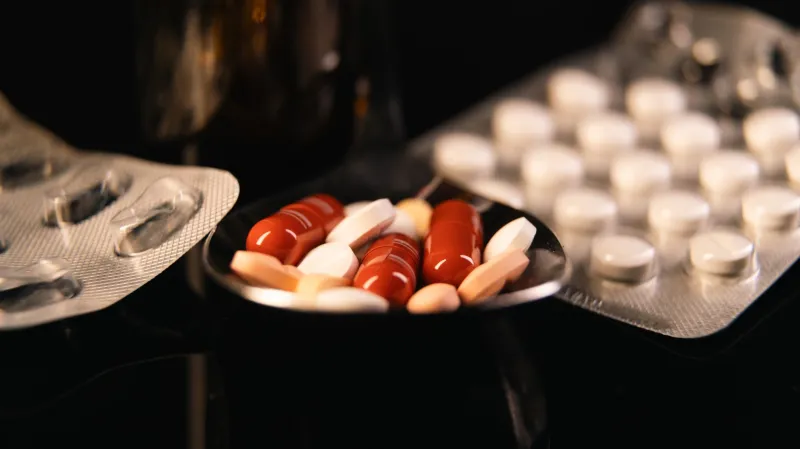
For millions of Americans, the morning begins not with a conscious decision but with a ritual: reach for the coffee maker before anything else. It is a deeply ingrained cultural habit, one that rarely invites scrutiny. But for patients prescribed dexamethasone — one of the most widely used corticosteroids in clinical medicine — that seemingly harmless cup of coffee may be compounding an already complex physiological situation in ways that deserve careful attention.
Dexamethasone247 provides pharmaceutical data around the clock precisely because questions like this one — questions that arise quietly over a breakfast table, not necessarily in a clinical setting — deserve evidence-based answers whenever patients are ready to ask them.
Understanding the Baseline Problem: Dexamethasone and the Nervous System
Before examining caffeine's role, it is worth establishing what dexamethasone does to the body's arousal systems on its own. Dexamethasone, a synthetic glucocorticoid, exerts significant influence on the central nervous system. It elevates circulating cortisol-like activity, which in turn can increase alertness, heighten sympathetic nervous system tone, and interfere with the natural decline in arousal that the body requires to initiate and maintain sleep.
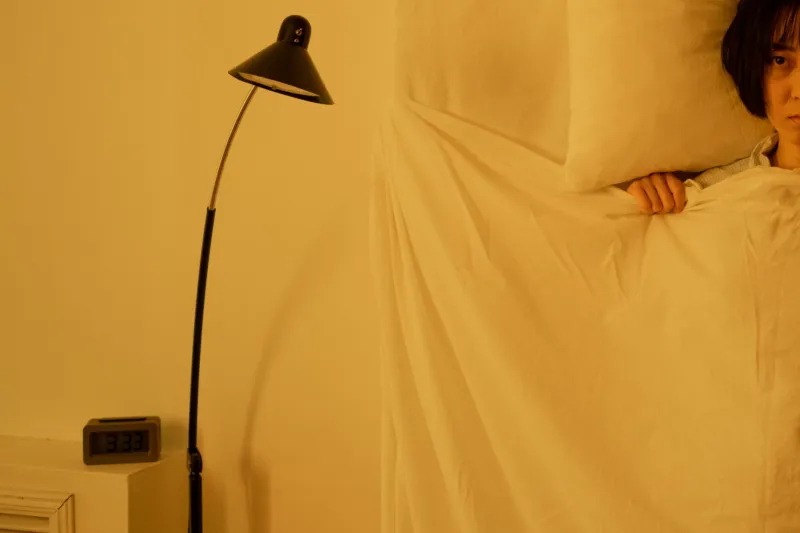
Insomnia is among the most frequently reported side effects of corticosteroid therapy. Patients often describe difficulty falling asleep, fragmented nighttime waking, and a general sense of restlessness that persists even when physical fatigue is present. This is not incidental — it reflects a measurable disruption of the hypothalamic-pituitary-adrenal (HPA) axis, the system that governs the body's stress and sleep-wake cycles.
Introduce caffeine into this already-sensitized system, and the compounding effects become clinically relevant.
What Caffeine Does — and Why Timing Is Everything
Caffeine operates primarily as an adenosine receptor antagonist. Adenosine is a neurochemical that accumulates during waking hours and signals increasing sleepiness as the day progresses. By blocking adenosine receptors, caffeine delays the onset of that sleepiness signal — effectively extending the period during which the brain resists rest.
In a person with a normally functioning HPA axis and no pharmacological interference, caffeine consumed in the morning is largely metabolized before bedtime. The average half-life of caffeine in healthy adults ranges from approximately three to five hours, though this figure varies considerably based on genetics, liver function, body weight, smoking status, and certain medications.
Here is where dexamethasone enters the equation more directly: corticosteroids, including dexamethasone, are known to influence cytochrome P450 enzyme activity — the hepatic enzyme system responsible for metabolizing a wide range of substances, caffeine among them. Alterations in this metabolic pathway can affect how quickly or slowly caffeine is cleared from the body, potentially extending its stimulant effects beyond what a patient might expect based on prior experience.
For a patient already contending with corticosteroid-induced hyperarousal, even a modest extension of caffeine's half-life can translate into meaningful nighttime consequences.
Timing Dexamethasone and Caffeine: A Practical Framework
The most important variable governing caffeine's impact on a dexamethasone patient is the timing of both substances relative to each other and to bedtime. The following framework is grounded in available pharmacological evidence and clinical reasoning, though patients should always consult their prescribing physician or pharmacist before making changes to their routines.
Morning-Dosed Dexamethasone Patients
Physicians frequently recommend taking dexamethasone in the morning — ideally with breakfast — to align the drug's stimulatory effects with the body's naturally higher cortisol levels earlier in the day. For patients on this schedule, moderate caffeine consumption during the same morning window is generally less disruptive than afternoon or evening intake. However, "morning" should be interpreted conservatively. Caffeine consumed after noon by patients on corticosteroid therapy may remain pharmacologically active well into the late evening hours, depending on individual metabolism.
A practical guideline for this group: limit caffeine intake to before 11:00 AM, and monitor sleep quality as a feedback mechanism. If sleep remains fragmented, consider moving the caffeine cutoff earlier.
Patients on Divided or Midday Doses
Some clinical protocols call for dexamethasone to be administered in divided doses throughout the day. For these patients, the interaction window with caffeine is broader and requires more deliberate management. The afternoon dose of dexamethasone already carries a higher risk of sleep disruption; layering caffeine on top of that dose amplifies the stimulatory burden considerably. Patients in this category are best advised to consume caffeine only during the morning hours and to avoid it entirely after the midday dexamethasone dose is taken.
Evening or Late-Dose Scenarios
Though less common, there are clinical circumstances in which dexamethasone is administered in the late afternoon or evening — for example, in certain oncology protocols or when managing specific inflammatory conditions. In these cases, caffeine use warrants the most careful scrutiny. The combined stimulatory load of late-day dexamethasone and any residual caffeine creates conditions that are highly unfavorable for sleep initiation. Patients in this scenario should discuss their caffeine habits explicitly with their care team.
Beyond Coffee: The Hidden Caffeine in Everyday Life
Many patients focus exclusively on coffee when thinking about caffeine intake, but the American diet delivers caffeine through a surprisingly wide range of sources. Energy drinks — which have become a dominant part of the US beverage market — frequently contain caffeine levels two to three times higher than a standard cup of drip coffee, often accompanied by other stimulatory compounds such as taurine and B-vitamins that may independently affect arousal.
Black and green teas, certain soft drinks, pre-workout supplements, some over-the-counter headache medications, and even certain chocolate products contribute meaningfully to daily caffeine load. Patients tracking their caffeine timing should account for all of these sources, not just the obvious ones.
Reading nutrition labels for caffeine content — and cross-referencing that intake against dexamethasone dosing schedules — is a straightforward habit that can yield measurable improvements in sleep quality and overall treatment tolerability.
When to Escalate the Conversation
Self-managed timing adjustments can address mild-to-moderate caffeine-related sleep disruption, but there are circumstances that warrant direct clinical consultation. Patients who experience severe insomnia, significant mood changes, cardiovascular symptoms such as palpitations or elevated blood pressure, or notable anxiety while on dexamethasone should not attempt to resolve these issues through caffeine management alone. These symptoms may reflect broader corticosteroid side effect profiles that require medical evaluation.
Pharmacists — accessible 24 hours a day through major pharmacy chains and telepharmacy services across the United States — represent an underutilized resource for exactly these kinds of nuanced questions. A five-minute conversation with a licensed pharmacist can clarify whether a patient's specific dexamethasone formulation, dose, and schedule create particular concerns around caffeine metabolism.
A Small Change With Potentially Significant Returns
Dexamethasone therapy is rarely simple. It demands attention to timing, diet, concurrent medications, and lifestyle factors that most patients were not fully briefed on at the point of prescription. Caffeine is one of those factors — common enough to be overlooked, influential enough to matter.
Understanding the pharmacological interplay between corticosteroids and adenosine antagonism does not require a medical degree. It requires access to clear, reliable information and the willingness to apply it. That is precisely what Dexamethasone247 is designed to provide, at whatever hour the question arises.
If your morning coffee has felt like an obstacle rather than a comfort since starting dexamethasone, the evidence suggests your instinct may be correct — and the solution may be simpler than you think.